by Tim Maceyko | Feb 22, 2026 | Coach Maceyko Show, Episodes, Religion & Spirituality
Podcast: Play in new window | Download
Faith Starts With the Question
Edition: Faith Beyond
Release Date: February 22, 2026
There’s a question almost everyone asks at some point in life.
Sometimes quietly.
Sometimes through tears.
Sometimes in anger.
Sometimes in prayer.
Why me?
It’s a simple question, but it carries real weight. And for many people, it’s the moment when faith feels most fragile.
This first Faith Beyond episode begins right there. We don’t begin with answers, but with honesty.
Faith Beyond: A Different Kind of Conversation
Faith Beyond episodes are intentionally different from the Game Plan coaching editions of The Coach Maceyko Show. The Game Plan editions release on the 1st and 15th of every month, while a new Faith Beyond episode typically drops every other month.
Faith Beyond conversations are:
- Gentler
- Church-safe
- Honest without being heavy
- Grounded in Scripture, but open to real questions
They’re meant for people who haven’t walked away from faith but may not know what to say anymore.
This episode sets the tone for the entire Faith Beyond series: faith that doesn’t pretend.
When Faith Goes Quiet
For many people, faith doesn’t fall apart because of anger.
It goes quiet because of confusion.
We don’t stop believing. We just stop knowing how to talk about what hurts. And when life hits deeply enough, the questions don’t come out polished. They come out honest.
That honesty matters more than we realize.
David’s Question: Psalm 13
One of the most striking moments in Scripture comes from King David – a man often described as having deep faith.
In Psalm 13, David opens with a question:
“How long, Lord?”
No explanation.
No performance.
No attempt to clean it up.
Just honesty.
What’s powerful about this moment isn’t that David eventually finds answers – it’s that faith shows up before the answers do.
What the Story Tells Us
David’s words remind us of something essential:
Faith didn’t begin when clarity arrived.
Faith began when honesty stayed.
Scripture doesn’t just give us examples of victory. It gives us permission to question. Over and over again, the message is clear:
God invites honesty, not performance.
Faith Begins When You Stay
There are seasons when all we have is the question.
Not because we’re walking away, but because we’re still reaching.
That’s the heartbeat of this episode’s core message:
Faith doesn’t begin when the questions end.
Faith begins when you stay.
Staying present.
Staying honest.
Staying open – even when it hurts.
The Song: Why Me?
The anchor song for this episode, Why Me?, wasn’t written as an answer.
It was written because the question wouldn’t go away.
Sometimes faith isn’t a declaration. It’s a conversation you refuse to quit.
The song gives voice to what many people carry silently: questions brought to God without certainty, but with trust that He’s still listening.
A Moment to Reflect
As you listen, or even after the episode ends, consider sitting with these questions:
- What question have you been carrying quietly?
- What would honesty with God sound like right now?
- And what if staying… is enough for today?
There’s no pressure to resolve anything here. Reflection itself can be an act of faith.
You’re Welcome Here
If all you can do right now is stay – that’s faith.
If all you can do is keep the conversation open – that’s faith.
And if you’re listening unsure, tired, or still hurting – you belong here.
You don’t need all the answers.
You just need to stay.
🎧 Listen to the Episode (link at top of page)
If this episode resonated with you, you will find more reflections, music, and conversations at TimMaceyko.com, or follow along on social media @TimMaceyko for future Coach Maceyko Show releases.
by Tim Maceyko | Feb 15, 2026 | Adversity, Coach Maceyko Show, Episodes
Podcast: Play in new window | Download
Game Plan Edition: Kintsugi — Where the Gold Goes
Coach Maceyko Show | Release Date: February 15, 2026
What do you do when something breaks?
Most of us were taught to hide it.
Fix it quietly.
Pretend the crack never happened.
But there’s an ancient philosophy that says something very different.
In this Game Plan Edition of The Coach Maceyko Show, Coach Maceyko explores Kintsugi — the Japanese art of repairing broken pottery with gold — and why it offers one of the most powerful mindsets for resilience, healing, and personal growth.
This episode isn’t just about an art form.
It’s about how we see ourselves after life cracks us open.
What Is Kintsugi?
Kintsugi is the centuries-old Japanese practice of repairing broken pottery by filling the cracks with gold lacquer.
Instead of hiding the damage, the break is honored.
Instead of pretending nothing happened, the history becomes the beauty.
The result isn’t something weaker — it’s something more valuable than before.
In this episode, Coach Maceyko connects Kintsugi to real life:
- How we treat broken things
- How we treat broken people
- And how we often try to “glue ourselves back together” instead of allowing growth to take place
Featured Story: The Great Chicago Fire
In a cinematic Bet You Didn’t Know (BYDK) segment, Coach Maceyko revisits the Great Chicago Fire of 1871 — a moment that looked like total devastation but became the foundation for one of the most iconic cities in the world.
Out of ashes came innovation.
Out of destruction came design.
Out of loss came something stronger.
Sometimes what burns everything down…
becomes the beginning of the greatest rebuild.
The Kintsugi Mindset
At the heart of this episode is a belief that defines the Time to Win slogan Coach Maceyko uses:
Broken doesn’t mean finished.
Broken can be beautiful.
Kintsugi teaches us:
- Don’t hide the cracks — honor them
- Don’t rush to look “normal again”
- Don’t measure your worth by what you lost
Instead, you choose what fills the broken spaces:
faith, resilience, grit, love, purpose, grace — your gold.
Training Room: 3 Ways to Practice Kintsugi This Week
Coach Maceyko closes the episode with three practical steps you can apply immediately:
- Stop hiding the cracks — name what broke you
- Choose your gold — decide what will fill the broken spaces
- Let it shine — share your story instead of covering it up
You’re not going back to what was.
You’re building something stronger.
Rise Up Champion: A Story of Real-Life Kintsugi
This episode’s Rise Up Champion Award honors someone who lived out Kintsugi in real time — turning loss into strength and scars into legacy.
It’s a reminder that resilience isn’t theoretical.
It’s lived — one decision at a time.
Listen Now
🎧 Listen to the full episode above using the player on this page.
If this message resonated with you, share it with someone who might need to hear it. Sometimes the right words at the right moment can change everything.
Stay Connected
Follow Coach Maceyko on social media: @TimMaceyko
Learn more at: 👉 TimMaceyko.com
Broken doesn’t mean finished.
Your cracks don’t erase your value.
They may be the very place where the gold belongs.
You’ve lost enough. Now, it’s time… to win.
by Tim Maceyko | Feb 1, 2026 | Coach Maceyko Show, Episodes, Music
Podcast: Play in new window | Download
🎙️ Coach Maceyko Show: Into the Storm
Release Date: February 1, 2026
Episode Type: Coach Maceyko Show – Game Plan Edition
Episode Overview
Storms are coming. Not maybe. Not someday.
They always come.
In this Game Plan edition of the Coach Maceyko Show the featured episode is Into the Storm. Listen in as we talk about what happens when pressure hits, fear rises, and comfort disappears — and why the storms we want to avoid are often the very places where courage, faith, and strength are formed.
Through a powerful true story from thirty-two thousand feet in the air, a timeless lesson from nature, and a practical Storm Strategy you can apply immediately, this episode is a reminder that peace isn’t found by running — it’s found by moving forward with purpose.
This episode is for anyone who feels like the wind has picked up in their life and needs reassurance that they’re built to make it through.
What You’ll Hear in This Episode
- Bet You Didn’t Know (BYDK): A terrifying mid-air emergency – and the calm voice that saved 148 lives
- Main Message: A look at how buffalo and cattle handle storms – and what it teaches us about life
- Music Moment: “Into the Storm” – written and produced by Tim Maceyko
- Training Room: A 3-play Storm Strategy you can use this week
- Time to Win Close: Why storms don’t define you – they refine you
Key Takeaway
The storm isn’t there to stop you — it’s there to shape you.
And the only way out… is through.
Running doesn’t stop the rain.
Faith, courage, and forward motion do.
Reflection Question
What storm in your life have you been trying to outrun — and what might change if you turned and faced it instead?
There’s no rush. Just honesty.
About the Coach Maceyko Show
The Coach Maceyko Show is about winning after adversity — not by pretending storms don’t hurt, but by learning how to stand steady when they arrive.
Each episode blends real stories, coaching insight, faith, and practical action steps to help you move forward with clarity, courage, and hope.
Stay Connected
If this episode spoke to you:
- Visit TimMaceyko.com
- Follow on social media: @TimMaceyko
- Share this episode with someone who’s walking through a storm right now
Because courage isn’t built in calm skies —
and it’s always Time to Win.
by Tim Maceyko | Jan 4, 2026 | Coach Maceyko Show, Episodes
Podcast: Play in new window | Download
This premiere episode is a little different — because before we go anywhere, I wanted to be clear about why this show exists.
The Coach Maceyko Show is about finding success and real-life fulfillment after adversity strikes. It’s about navigating the hard days, rebuilding after loss, and learning how to win the game of life — even when the hand you’ve been dealt doesn’t feel fair.
In this first episode, I share my story.
Not as a highlight reel.
Not as theory.
But as lived experience.
I talk about a life-changing injury at age sixteen, the long road back, moments of deep darkness, and the role hope and faith played in helping me move forward. That journey changed the trajectory of my life — from player, to coach, and now to coaching beyond the court.
This episode also introduces what you can expect from future shows:
- Bet You Didn’t Know (BYDK) stories that carry a deeper lesson
- A Main Message grounded in real life
- The Training Room, with practical steps you can apply right now
- Rise Up moments that recognize grit and resilience
- Music Factory episodes where I share original songs and the stories behind them
- And occasional special interviews with people worth listening to
This episode sets the foundation for everything that follows.
If you’ve ever felt unseen…
If you’ve ever wondered how to move forward after loss…
If you’re looking for a voice that understands struggle, faith, and perseverance…
You’re in the right place.
Final Thought
If you’ve lost enough…
If you’re tired of pretending you’re fine…
If you’re ready to take the next step forward…
Then, join me – because it’s time to win.
I’m Coach Maceyko.
And this… is just the beginning.

by Tim Maceyko | Mar 23, 2023 | Uncategorized
Ayurveda: The Hidden Gem of Self-Care from Ancient India
Self-care and healing are the two cornerstones of a peaceful life. Unless your inner self is taken care of, you won’t be able to radiate positive energy into the world around you. Therefore, in order to take care of our families, children, friends, and careers, we must reflect on how well taken care of we feel internally.

We are seeing people go back to traditional ways of healing, like yoga and orthodox Chinese medicine. These methods are considered effective to this day due to the balance they can bring to one’s life.
Ayurveda, although somewhat less popular in the Western world, is one such healing method that predates all others. Translated as the “Science of Life,” Ayurvedic self-care methods were born over 5000 years ago in India and are widely accepted as a legitimate treatment method all over the country.
In fact, many nature-based healing systems in the West, for example homeopathy, actually stem from Ayurveda itself.
What is Ayurveda?
Ayurveda is a self-healing principle that places great emphasis on the need to create balance in one’s life through food, lifestyle, and the mind. It believes that, like fingerprints, everyone has a unique balance of energies that affect their emotional, physical, and mental features.
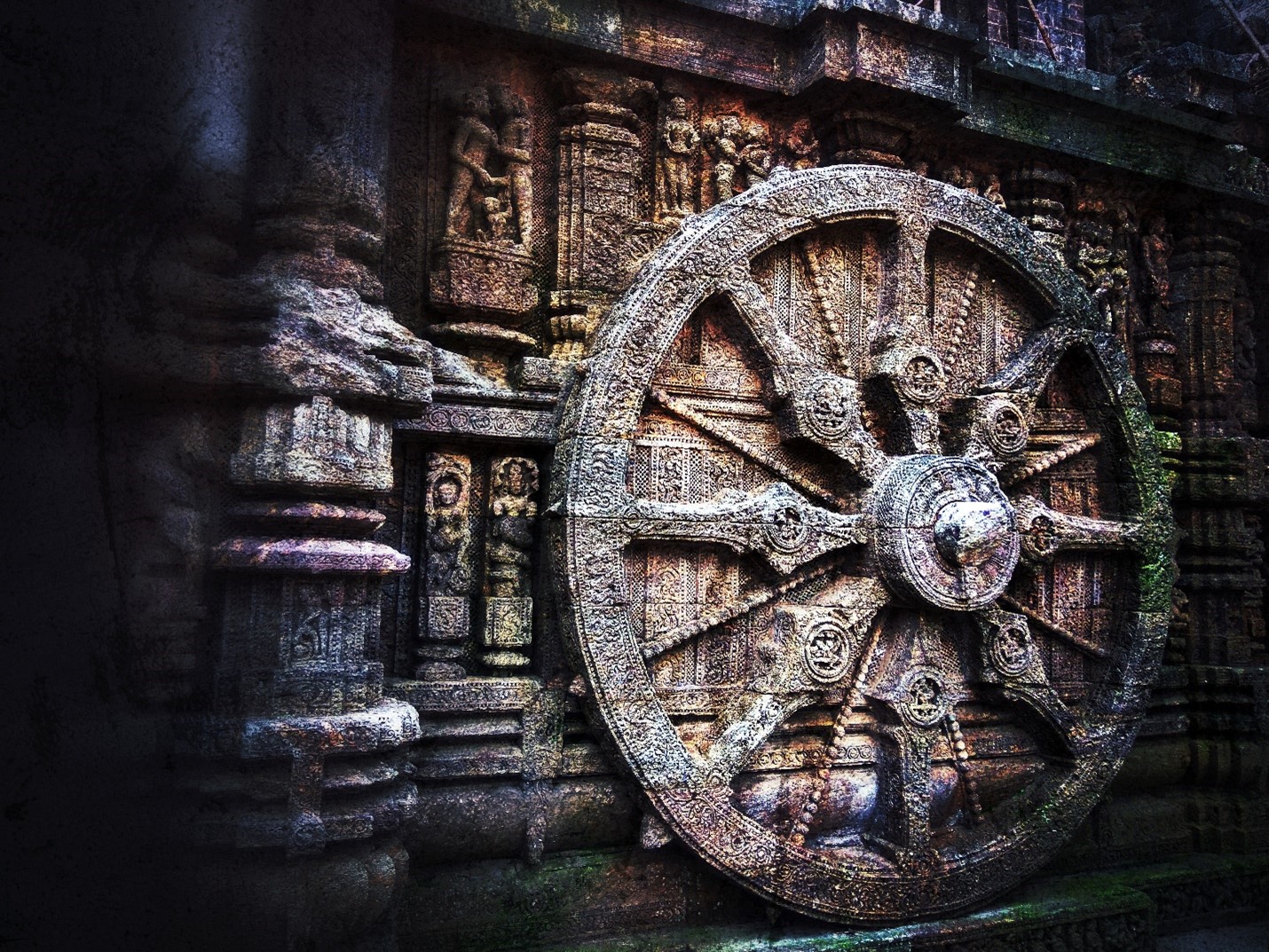
The balanced state for each person is different, and it is determined at the time of their birth. When this constitution is in its balanced state, we are at peace and healthy. However, external factors such as stress, trauma, climate change, or lack of good food can negatively affect this balance.
Through Ayurveda, we can understand the energy that our constitution is made up of and work towards the balance state that our soul requires.
As per Ayurveda, our body time, personality, and behavior is determined by the proportion of the three Doshas (constitutions) in us. The three Doshas are called Vata, Pitta, and Kapha, and usually, one of them is more dominant than the others. This dominant dosha, according to Ayurveda, is what defines us and our balanced state.
Understanding Ayurvedic Doshas
In the ayurvedic understanding of the world, the entire cosmos is made of five elements: Fire, Water, Space, Air, and Mass.

Khapa is the interaction of Mass and Water. The energy that forms, as a result, is responsible for structure in one’s body. Vata is the interaction of Air and Space, which control movement and occupation. Lastly, Pitta is when Fire and water come together, which give us heat and fluidity.
These doshas, and their proportions, perform all the core functions in our body. Therefore, any of these doshas being out of balance would result in an unhealthy body and mind. Vata, Pitta, and Kapha can become out of balance due to climate, stress, food, or genetic reasons.
Hence, unlike Western medicine, health is directly correlated to the balance of one core element in Ayurvedic philosophy. It says that at birth, we are all born with a dominant dosha.
A Vata body type is usually lean, dry, and cold, with a lot of movement and unstable eating habits. Their mind also tends to be fickle, and their memory can be weak. However, they like to stay active and constantly think of new ideas too. Vata types are the creators and dreamers.
Pita types gave well-proportioned bodies that can build muscle quickly and are always warmer than most people. They are usually prone to anger tantrums but are also very sociable, bright, and good at processing their thoughts, making them good leaders.
Lastly, Khapa body types can be slightly heavy bodies with strong bones with a strong love for sleep. They can be shy and highly opinionated but are generally calm and composed in even the most stressed situations. They are also super loyal and loving.
How can Ayurveda provide healing?

When you understand your Ayurvedic body type, you can create a lifestyle that will make sure all your doshas are in balance. It focuses on prevention by addressing the root causes rather than all your symptoms. For instance, if you have a Vata dominant body type and live in an arid area, your Vata is likely to be imbalanced. Understanding these imbalances and the constant flux your mind and body are in is the first step towards wellness through Ayurveda.
There is a wide variety of resources that can guide you in maintaining your Vata, Pitta, and Khapa balance. For example, suppose you learn that you are Khapa dominant. In that case, you can balance it by getting a lot of exercises, avoiding heavy foods and dairy, maintaining a good sleep cycle, and keeping active.
For Pitta, you should avoid exposure to steam, limit your salt intake and adopt an exercise routine in a cool environment. Lastly, for Vata, you should live in a warm place where you can practice calmness, avoid cold foods and try to avoid a busy, hectic routine.
Practicing Ayurveda to Achieve Fitness and Wellbeing
As I said, this is just the start of understanding your Ayurveda journey. The 5000-year-old wellness phenomenon is enriched with a plethora of knowledge for you to explore.
However, you must keep in mind that while Ayurveda is professionally practiced and acknowledged throughout India, it is not considered an alternative to western medicine. On the contrary, ayurvedic practitioners themselves recommend using it simultaneously with western medicine as they both have huge benefits.
You, too, can begin to understand your core better with Ayurveda and learn what can bring you peace. Doing this will help you identify what is hindering your wellness and how you can change it.

When you put yourself first, your body will start to heal. Your mind will start to clear up and you soul will start to feel energized. I hope this article has ignited a curiosity about Ayurvedic practices for you. If so, I also hope you can use it to give your body the attention and love it needs!
This article was provided as part of the Faith Beyond with Tim Maceyko Fitness and Health Series.